

Rising tide strands all boats: Conflict in the Middle East upends global markets
March 10, 2026
Global energy prices have soared as US and Israeli strikes on Iran—and the ensuing regional fallout—have thrown global energy security into chaos. We expect disruptions to shipping through the Strait of Hormuz to persist into at least mid-March, severely constraining flows of crude, refined products and LNG, suggesting further upside across markets.
Price discovery has become extremely challenging, with spot jet fuel and LNG prices surging to record highs amid mounting uncertainty, while crude is quickly catching up. The risk of further military escalation remains high, and markets are grappling with the prospect of prolonged supply disruptions, particularly as Asian and European buyers scramble to secure alternative supplies.
Oil
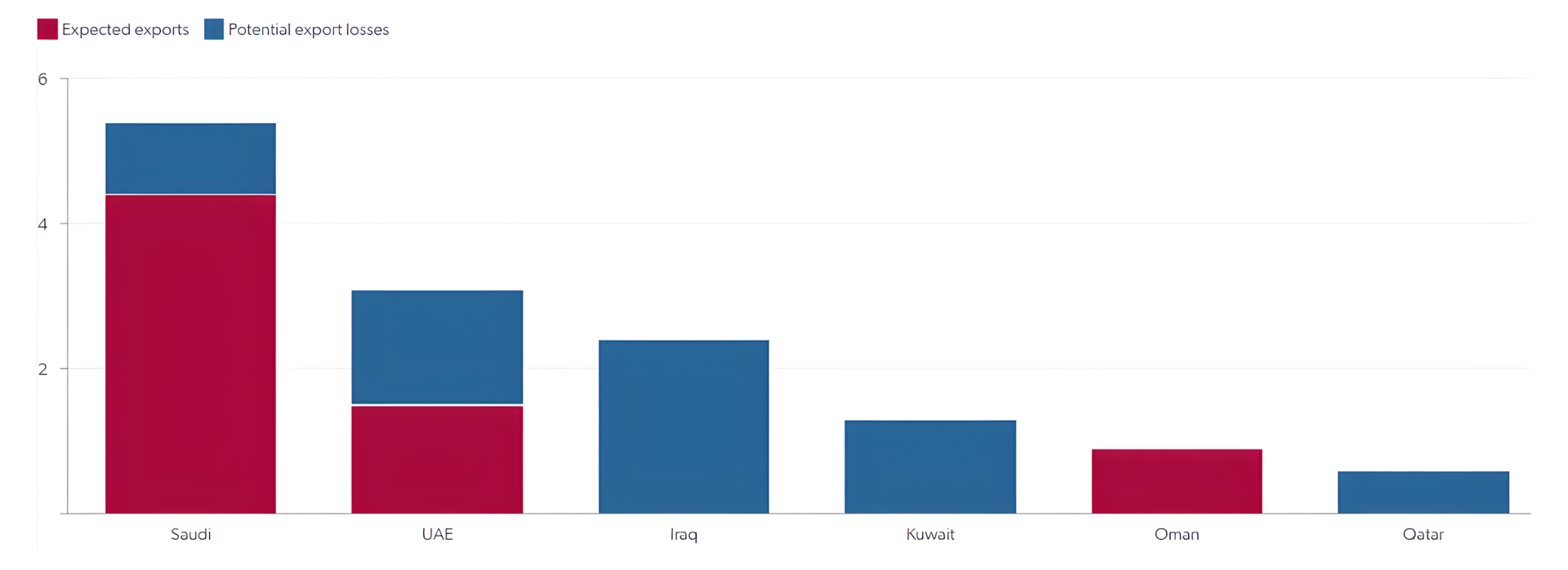
We expect Middle Eastern upstream shut-ins to accelerate as transit through the Strait of Hormuz remains halted, disrupting
flows of both crude and refined products. We expect Middle East Gulf producers to continue shutting in production, with shut-ins already above 4 mb/d. Asian and Middle Eastern refiners are cutting runs, and we expect diesel to outperform gasoline. We see further upside for
jet fuel prices.
Middle East Gulf crude exports to Asia, mb/d

Source: OilX, Energy Aspects
Natural Gas
We see
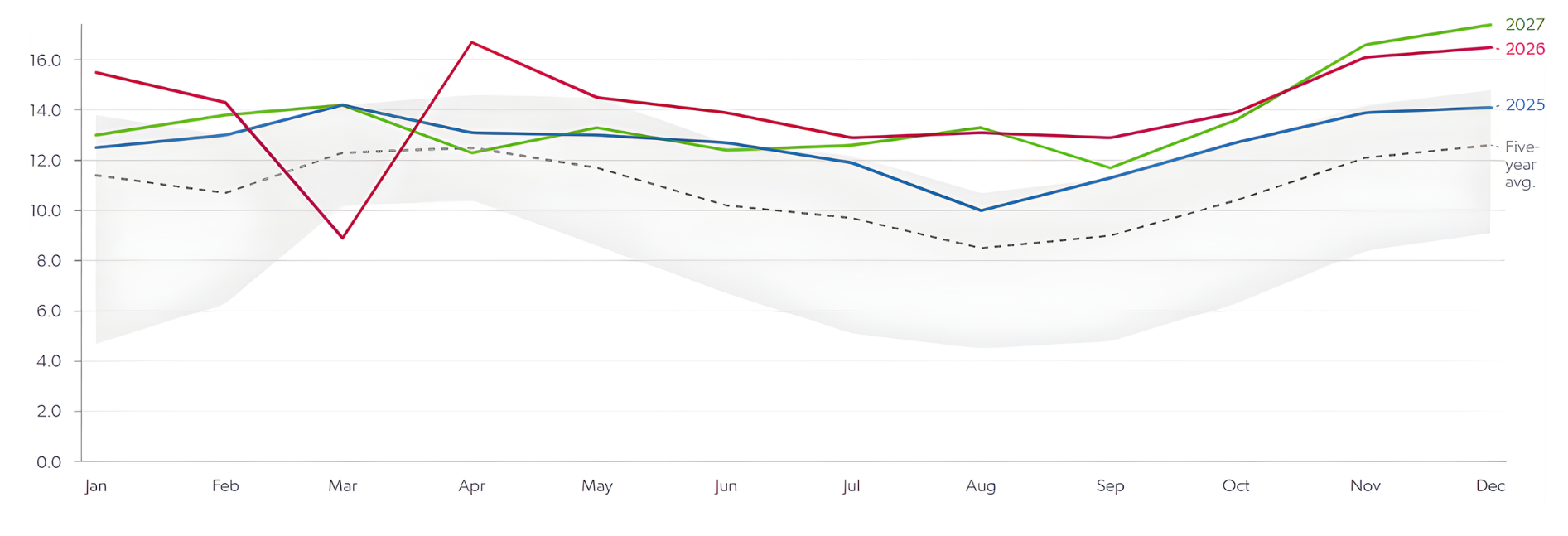
European gas and LNG markets pricing in a month-long loss of Qatari exports, with spot prices surging to multi-year highs. We expect extended disruption would drive prices even higher, forcing Asian buyers to draw down inventories, switch to coal or ration gas.
European gas fundamentals are particularly exposed to further shocks due to limited flexibility and low stocks. We note that US LNG exports are already near capacity and unable to fully offset lost supply.
European LNG sendout, bcm

Source: EA LNG Cargo Tracking, Energy Aspects
Geopolitics
We expect military operations to continue for at least another week, with the risk of a more protracted conflict remaining high. The situation is fluid, and any escalation or attack on key infrastructure could further disrupt energy flows and market stability.
Marco
Financial markets initially priced in a short-lived conflict, but the risk of a deeper equity selloff and a stronger dollar is rising as fighting drags on. Safe-haven flows could push Treasury yields lower and increase
volatility across asset classes. Asia faces risks from higher energy prices, while Europe’s industry is only just recovering from the loss of cheap Russian gas. These pressures support the US dollar’s safe-haven status.
This article was first published on LinkedIn. For a deeper dive into this topic and to stay updated with our latest insights,
you can access the full newsletter here.