


Why oil product markets are pricing recovery too fast
June 12, 2026
Product cracks have corrected towards pre-conflict levels as markets price in an
early Hormuz resolution. Our analysis points to a "lower ceiling, still-high floor" outcome: even a deal would not quickly restore the supply chain conditions that drove cracks to their recent levels.
The market has moved to price in a diplomatic resolution to the Strait of Hormuz disruption weeks before one has been agreed. Product cracks, timespreads and interregional differentials remain above historical levels but have fallen materially from their peaks as traders position for a restoration of Middle Eastern crude and product flows.
Inventory Snapshot
Our Oil Products team identifies several reasons why this repricing is ahead of the physical realities.
Why a deal announcement is not a supply restoration
The first phase of any reopening would not immediately translate into normalised product flows.
AIS data indicate around 94 mb of crude is currently stranded inside the strait.* Once Hormuz begins to reopen, markets would first need to absorb this backlog before underlying trade flows normalise. The more persistent constraint is on the refinery side: Bahrain's Sitra, a major Middle East export refinery damaged in Iranian strikes, will require repairs.
Crude Stranded
94 mb
AIS data, inside the strait
Gasoil on Vessels
4.0 mb
Laden inside the strait
Naphtha Trapped
7.5 mb
Middle East Gulf
How lighter crude slates are distorting yields across the barrel
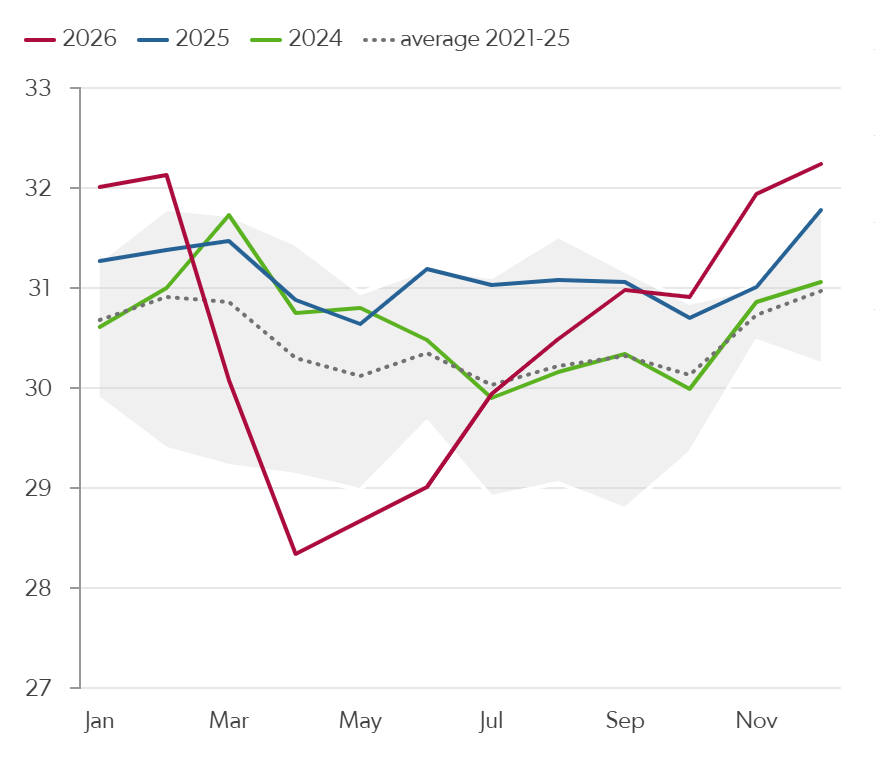
A less visible but structurally important effect of the Hormuz disruption has been a shift in the crude diet of Asian refiners. With Middle Eastern medium and heavy sour grades largely unavailable, refiners have moved to lighter Atlantic and Pacific Basin crudes. Secondary unit intake is lower as a result. Most Asian secondary units process fuel oil, with knock-on effects across the product slate.
Asia crude runs, mb/d

Source: Energy Aspects
At least 4 mb of gasoil and 2 mb of jet fuel remain on laden vessels inside the strait. Some volumes have begun to transit the Strait as shipping confidence recovers, but sizable flows will take months to normalise once the backlog clears.
At the light end, around 7.5 mb of naphtha remains trapped in the Middle East Gulf. Naphtha cracks had sold off as weak margins and leaking flows through the strait weighed on sentiment but upside risk is expected to attract US and Mediterranean supply for late-July deliveries if Hormuz recovery continues to slip.
Where stocks stand across the product complex
The correction in product cracks has occurred against a backdrop of depleted inventories. US PADD 1 diesel stocks have fallen to multi-year lows ARA naphtha stocks are 1.4 mb lower year-on-year.
Even as diplomatic progress might allow product cracks to ease from their recent peaks, the underlying inventory position requires forward cracks to price in a continued tight balance. Summer travel demand is now building. Russian diesel exports, which have provided some supply relief into Brazil and Europe, are likely to decline as Russia enters its own peak demand season.
The outlook: lower ceiling, still-high floor
Our framework for product markets through the balance of 2026 is a "lower ceiling, still-high floor" outcome. A diplomatic deal would reduce the risk premium embedded in flat price and bring some relief to prompt cracks. But the physical constraints—damaged refinery capacity, the time required to re-establish Middle Eastern crude grade flows, and starting inventory levels well below seasonal norms—mean the floor under product margins is not returning to pre-conflict levels on any near-term timeline.
FCC margins in Northwest Europe have partially recovered from their May lows but still reflect the feedstock distortions that lighter crude slates have introduced. The Atlantic basin light ends market remains tightly balanced with limited further downside but significant upside risk if Hormuz flows do not recover on schedule.
"The product complex has priced the announcement. It has not yet fully priced the months that follow."
The gap between diplomatic signals and physical supply chain recovery is where product markets will be made and lost through the second half of 2026.
Energy Aspects combines Oil Products and Crude Oil coverage with near real-time vessel tracking to give clients a single view of how quickly flows are actually rebuilding.
* AIS-based assessment. AIS data reliability in the region has been subject to signal spoofing and voluntary transponder disconnections in recent months and should be treated as indicative.