


Energy Aspects Conference 2026: What’s next for energy?
25 February 2026
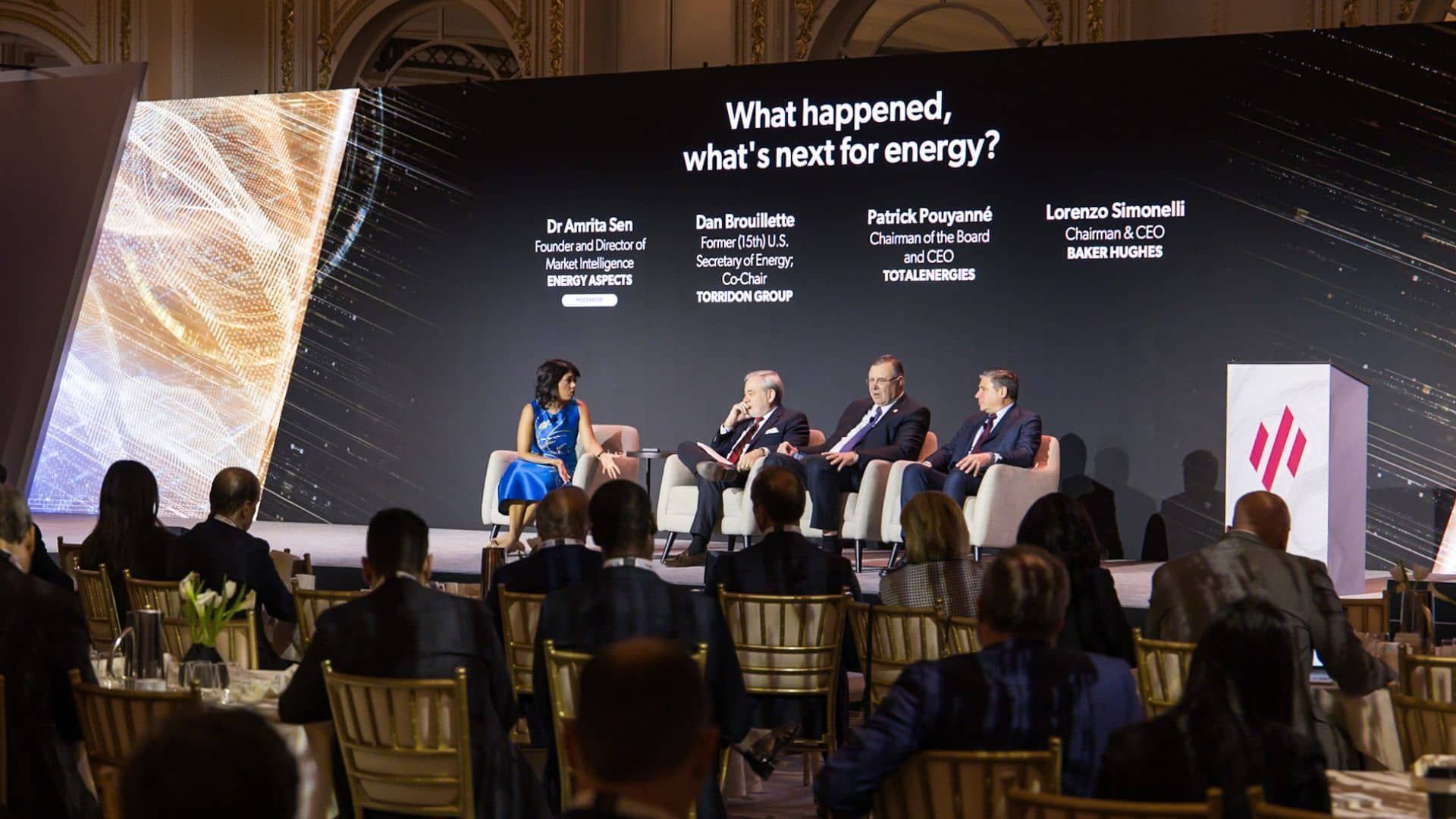
The following insights, drawn from the session “What happened, what’s next for energy?” moderated by
Dr. Amrita Sen (Founder and Director of Market Intelligence, Energy Aspects) at the
Energy Aspects Conference 2026 in late February, were captured prior to the recent conflict involving Iran and the wider Middle East, which has since significantly impacted global energy markets. Our analysis will continue to evolve as events unfold.
Key Insights
- Oil and gas remain central to the energy system, but demand patterns are shifting.
- Gas is positioned as a “destination fuel” for decades, particularly in emerging Asia.
- Policy stability and pragmatic investment are essential for progress.
- Geopolitics and technology, from agentic AI to LNG, are reshaping the sector.
- Increased capital, infrastructure, and talent are needed to meet rising demand and ensure energy security.
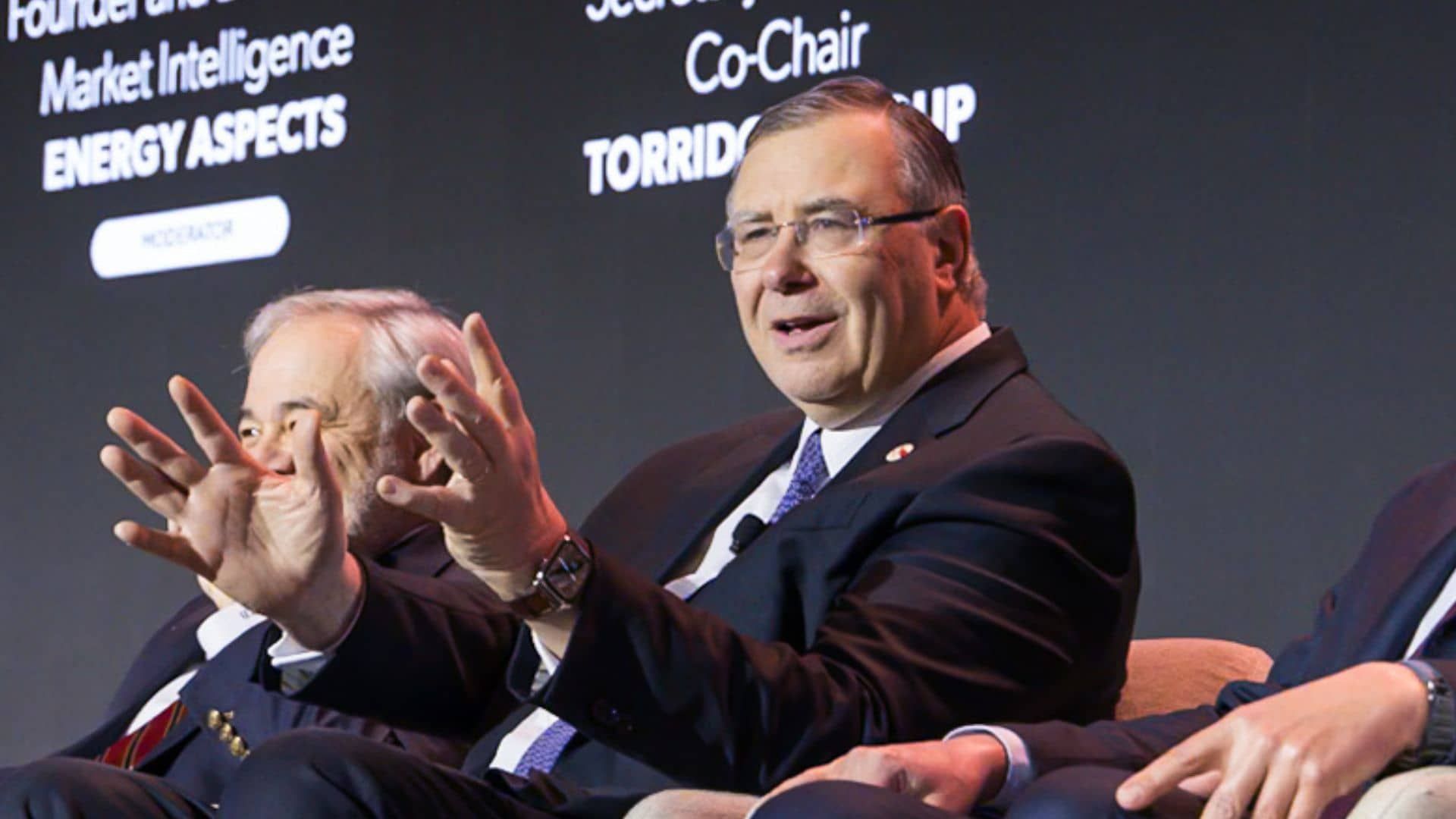
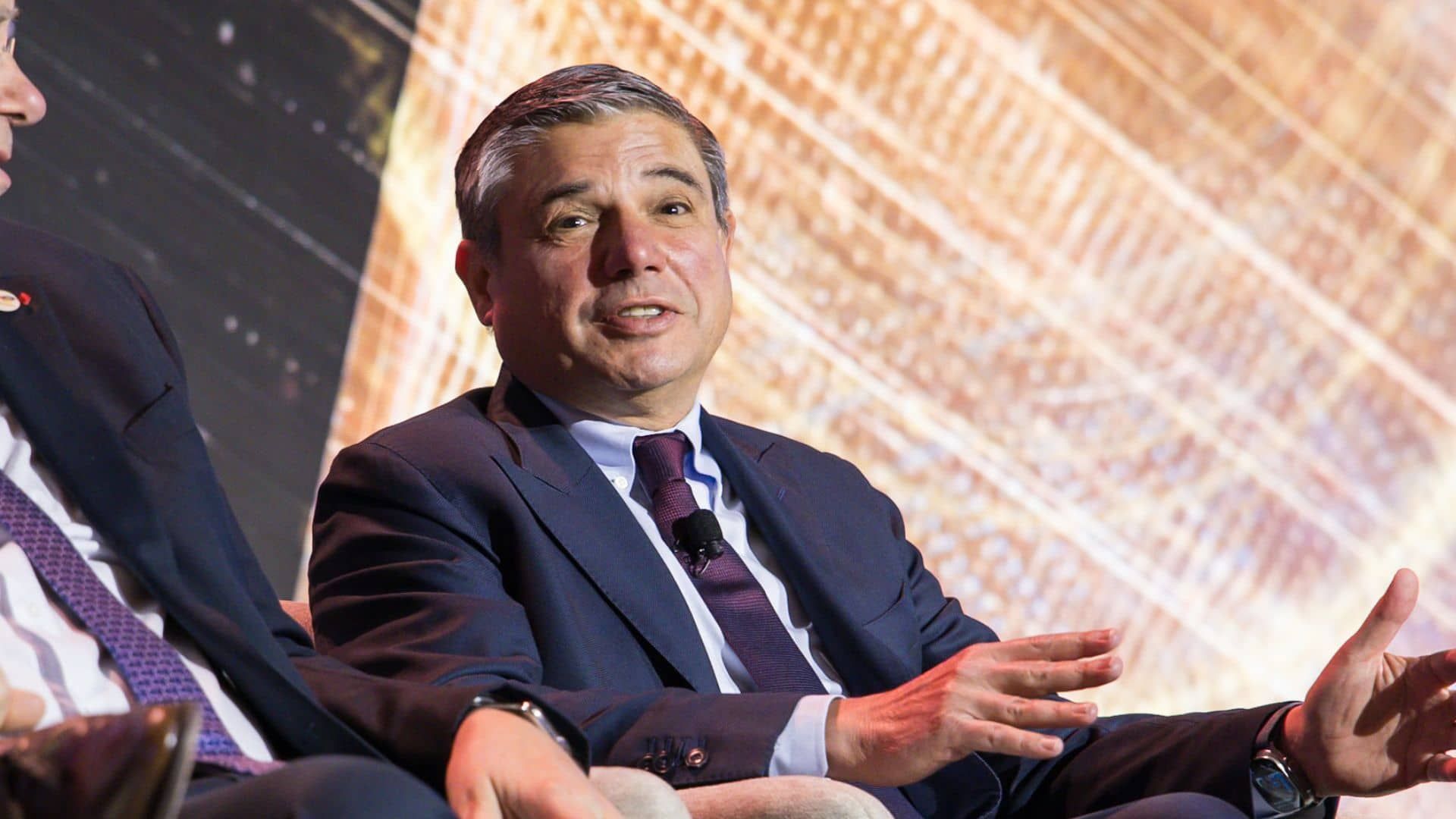
In our inaugural panel, Dr. Amrita Sen welcomed former U.S. Secretary of Energy Dan Brouillette (Co-Chair, Torridon Group), Patrick Pouyanné (Chairman and CEO, TotalEnergies), and Lorenzo Simonelli (Chairman and CEO, Baker Hughes) for an engaging discussion on the shifting global energy landscape.
Patrick Pouyanné described how Total’s focus has evolved from historically concentrating on supply to increasingly shifting attention towards demand. He emphasised that oil and gas will remain the pillars of the energy system, an approach that has drawn criticism from European policymakers. In 2020, 27% of shareholders were French; today, that figure is down to 13%, replaced largely by US investors. He highlighted the need for pragmatic policy and investment across the full value chain, including LNG and batteries.

Lorenzo Simonelli positioned gas as a destination fuel, vital for decades to come, especially in emerging Asia. He called this the decade of gas, projecting a 20% growth in demand by 2040. At Baker Hughes, the focus is on “The Energy Equation”—balancing molecules and electrons, not just one or the other. He stressed the importance of abundant, reliable energy sources and investment in technology and talent, noting that agentic AI is just starting and has a huge runway to help lower costs and drive efficiency. He also highlighted the challenge of attracting young talent in engineering and science, which is critical for future innovation.

Dan Brouillette underscored the need for regulatory certainty and long-term policy stability, warning that frequent policy shifts and election cycles create a whiplash effect, deterring investment. He added that transitions take time and are not linear, and while aspirations matter, execution matters more. Dan also highlighted that energy independence is no longer just about molecules but increasingly about electrons as well, with gas serving as the crucial link between the two.

The panel also addressed geopolitics, noting that global energy markets remain highly sensitive to events in Iran, Venezuela, and Russia. Russia is unique due to the invasion of Ukraine and ongoing war in Europe, which has had a devastating impact on global markets. Patrick added that Europe is unlikely to return to Russian gas, even if peace is restored, while Lorenzo pointed out that energy security will remain a top priority for countries like China and India, who are investing in new LNG capacity and technology.

All panelists agreed that
energy transitions are complex, non-linear, and require pragmatic, flexible approaches. Investment in infrastructure, technology, and people will be essential to meet rising demand, ensure energy security, and navigate the rapidly changing geopolitical environment.